
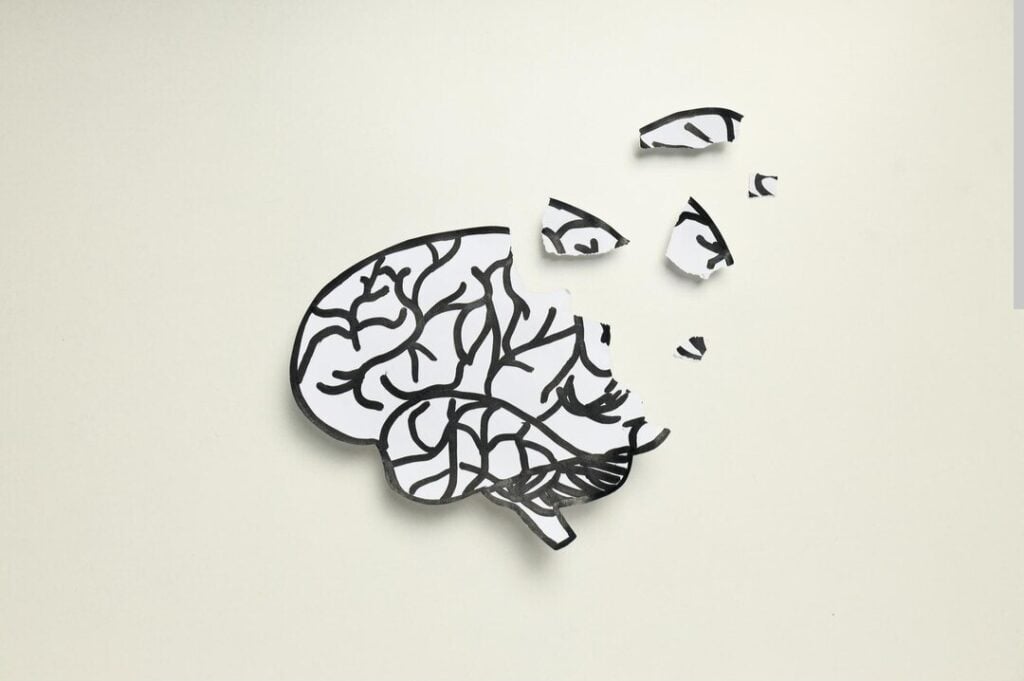
Most people think of Alzheimer’s disease and dementia as disorders that begin in the brain. They imagine that memory fades because brain cells simply wear out with age.
After more than twenty years of practicing integrative medicine, I have come to a different conclusion.
The brain rarely fails alone.
Memory loss is often the final chapter of a story that began years—even decades—earlier. Long before the first forgotten name or misplaced keys, subtle changes are occurring throughout the body. Oxygen delivery declines. Blood sugar becomes less stable. Chronic inflammation quietly increases. Hormones change. Nutrient absorption becomes less efficient. Sleep becomes lighter and more fragmented.
Individually, these changes may appear small. But over time, they create an environment where the brain loses its ability to repair, adapt, and maintain optimal function.
The brain is not an isolated organ. It is the body’s most energy-demanding organ. Although it represents only about two percent of our body weight, it consumes approximately twenty percent of the body’s oxygen and energy. It depends on a continuous supply of oxygen, nutrients, hormones, healthy circulation, and efficient waste removal.
When these supporting systems begin to weaken, the brain often becomes one of the first organs to reveal the consequences.
Throughout my clinical practice, I have learned to ask a different question. Rather than asking, “What is wrong with the brain?” I ask:
“Which body systems are no longer supporting the brain?”
The Seven Systems That Influence Brain Health
No.1 Oxygen: Every Brain Cell Depends on It
Although the brain represents only about two percent of body weight, it consumes nearly twenty percent of the body’s oxygen.
Conditions such as obstructive sleep apnea quietly deprive the brain of oxygen night after night. During the very hours when the brain should be repairing itself, repeated episodes of oxygen deprivation increase oxidative stress, damage blood vessels, and accelerate cognitive decline.
Adequate oxygen is the brain’s first requirement for survival.
No.2 The Kidneys: The Body’s Filtration System
The connection between kidney health and brain health is often overlooked.
The kidneys continuously filter waste products from the bloodstream and maintain the body’s internal balance. When kidney function declines due to aging, diabetes, or high blood pressure, metabolic waste products begin to accumulate.
These toxins contribute to inflammation, oxidative stress, and damage to blood vessels throughout the body, including those that supply the brain.
A declining glomerular filtration rate (GFR) is therefore not only a measure of kidney function. It may also represent an increased burden on the brain and nervous system.
Protecting kidney health is an important part of protecting cognitive health.
No. 3 Digestion: You Are What You Absorb
A healthy brain requires a steady supply of nutrients. However, nutrition begins with digestion.
I often remind my patients: We are not simply what we eat; we are what we absorb.
As we age, many people produce less stomach acid. This can make it more difficult to release vitamin B12 from food and absorb this important nutrient. Vitamin B12 plays a critical role in maintaining healthy nerves, producing energy, and supporting normal brain function.
When B12 levels decline, symptoms may include fatigue, numbness, balance problems, depression, brain fog, and memory difficulties.
The digestive system also influences inflammation. Chronic constipation and an unhealthy gut microbiome can contribute to an imbalance in the body’s immune system and affect communication between the gut and the brain.
A healthy digestive system provides the foundation for a healthy mind.
No. 4 Hormones: The Body’s Chemical Messengers
Hormones regulate metabolism, mood, sleep, energy production, and cognitive function.
One common example is thyroid dysfunction. When thyroid activity decreases, metabolism slows. Patients may experience fatigue, feeling cold, constipation, depression, and difficulty concentrating.
In Traditional Chinese Medicine, many of these patterns are described as Yang deficiency—a state of reduced warmth, vitality, and functional energy.
Although Traditional Chinese Medicine and Western medicine use different terminology, both recognize an important truth: when the body’s energy production declines, the brain’s ability to function optimally also declines.
No.5 Mitochondria: The Power Plants of the Brain
Deep inside every cell are mitochondria, the tiny structures responsible for producing energy.
The brain depends heavily on mitochondrial function because every thought, memory, and movement requires energy. When mitochondria become inefficient, neurons struggle to maintain communication and repair.
Aging naturally affects mitochondrial function, but chronic inflammation, insulin resistance, poor nutrition, oxidative stress, and inactivity accelerate this process.
Supporting mitochondrial health is one of the most important strategies for preserving brain function throughout life.
No. 6 Inflammation: The Silent Accelerator
Inflammation is a natural and necessary process. It helps the body fight infection and repair injury.
The problem occurs when inflammation becomes chronic.
Long-term inflammation damages blood vessels, disrupts communication between brain cells, increases oxidative stress, and accelerates biological aging.
Many chronic conditions—including obesity, diabetes, cardiovascular disease, cancer, and neurodegenerative diseases—share chronic inflammation as a common underlying factor.
Reducing inflammation is not about one single treatment. It requires improving the overall environment of the body.
No.7 Sleep: The Brain’s Night Shift
Sleep is not merely a period of rest. It is one of the brain’s busiest working hours.
During deep sleep, the glymphatic system removes metabolic waste that accumulates throughout the day, including proteins associated with Alzheimer’s disease.
Unfortunately, insomnia, restless legs syndrome, chronic stress, and irregular sleep schedules interfere with this essential repair process. Over many years, inadequate sleep may contribute to memory loss.
A Different Way of Understanding Cognitive Decline
When we look only at the brain, dementia appears mysterious and inevitable.
When we look at the entire body, a different picture emerges.
- The brain depends on healthy lungs for oxygen.
- Healthy kidneys for filtration.
- A healthy digestive system for nutrient absorption.
- Balanced hormones for metabolism.
- Strong mitochondria for energy.
- Low levels of chronic inflammation.
- And restorative sleep for repair.
Cognitive decline is rarely caused by one single problem. More often, it reflects the accumulated effects of many small imbalances that develop over decades.
This understanding changes the way we approach health.
The goal is not simply to treat disease after it appears. The goal is to create an internal environment where the body has the ability to repair, adapt, and maintain resilience.
Throughout my years of caring for patients with memory loss, cancer, chronic pain, infertility, obesity, diabetes, and many other conditions, I have discovered one consistent truth:
The body heals best when its foundations are strong.
Before we discuss individual diseases and specific treatments, we must first understand the daily habits that support every cell, every organ, and every stage of life.
These foundations are what I call the Four Pillars of Health.