
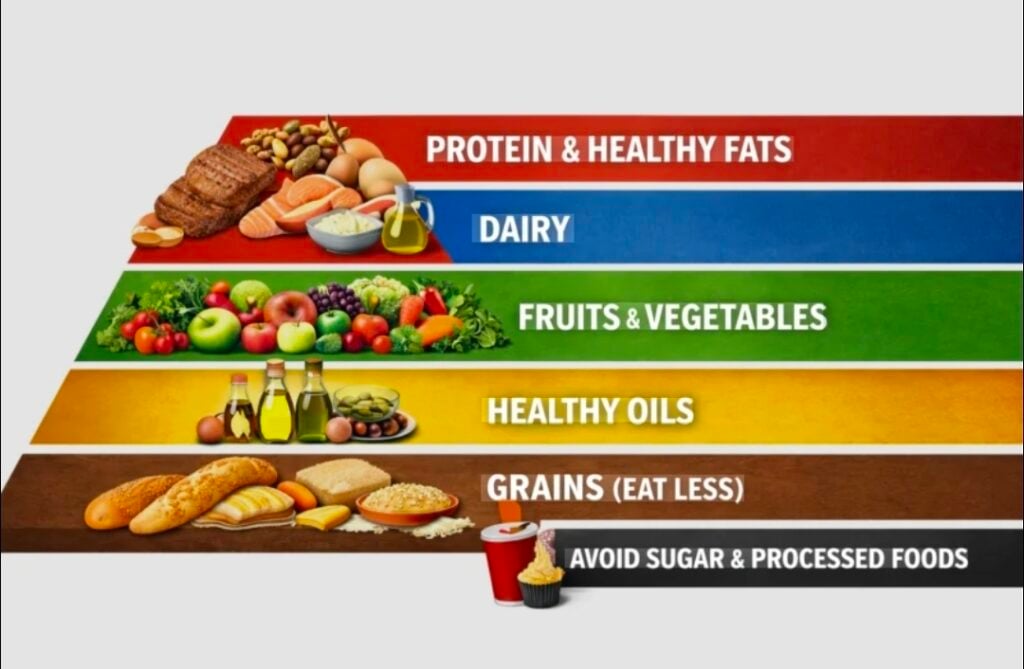
The newly released American Dietary Guidelines for Americans 2025–2030 by HHS (U.S. Department of Health and Human Services) continue to offer broad nutritional recommendations intended for the general population. While these guidelines provide a useful public health framework, they often overlook a critical truth recognized by both Traditional Chinese Medicine (TCM) and modern functional medicine: there is no cookie-cutter diet for human health.
Human nutrition must be individualized.
Our health is constantly shaped by genetics, environment, climate, age, stress levels, physical activity, and underlying physiological capacity. What nourishes one person may imbalance another.
Diet Must Reflect Constitution, Environment, and Season
In TCM, food is not viewed merely as calories or macronutrients, but as medicine with energetic properties—warm, cool, or neutral. Long-term dietary choices that ignore a person’s constitution can gradually lead to illness.
For example:
- Someone with internal heat caused by past habits (excess alcohol, spicy foods, chronic stress) may worsen symptoms by following a diet high in warming foods.
- Education and dietary choices must be tailored to the individual’s constitution to restore balance rather than apply generalized rules.
Geography also matters.
- Atlanta’s hot and humid summers demand different dietary strategies than Arizona’s dry heat.
- Humidity burdens digestion and fluid metabolism, while dryness depletes body fluids—each requires different food choices.
This climate-based adjustment has been central to TCM for thousands of years and deserves recognition in modern dietary discussions.
Digestive Capacity Is Genetic, Not Moral
Some individuals are genetically predisposed to low stomach acid and bile salt production, making fat and cholesterol digestion more difficult. These people are often told to eliminate animal foods or follow vegan diets. However, this is not always necessary—or beneficial.
In many cases:
- Supplementing bile salts and hydrochloric acid can significantly improve digestion and metabolic health.
- Without proper support, these individuals are more prone to gallstones, high cholesterol, and nutrient deficiencies.
Dietary intolerance is often a functional issue, not a lifelong dietary sentence.
Protein Needs Are Not Equal Across Populations
The guidelines frequently emphasize protein reduction without adequately addressing who actually needs more.
Higher protein needs:
- Children (growth and development)
- Pregnant and postpartum women
- Elite athletes
- Burn and trauma patients (tissue repair)
Lower protein tolerance:
- Patients with advanced kidney or liver disease due to impaired metabolic capacity
Blanket protein recommendations risk harming vulnerable populations when individual physiology is ignored.
Iron: Essential but Potentially Toxic
Iron requirements also vary significantly by life stage:
- Women of childbearing age need more iron due to monthly blood loss.
- Postmenopausal women generally require much less.
Iron is not benign. It is a toxic compound when overloaded, and the body has limited pathways to eliminate excess iron. Accidental iron overdose remains one of the leading causes of fatal poisoning in children.
Universal iron fortification and supplementation should be approached with caution, screening, and personalization.
Food as Medicine, Not Doctrine
TCM has always emphasized using food as medicine—to correct imbalance, not to follow ideology. Health is dynamic. Diet must evolve with:
- Age
- Hormonal status
- Stress load
- Digestive strength
- Climate and season
The future of nutrition should move beyond rigid guidelines toward precision, personalization, and physiological reality.
Conclusion
The 2025–2030 American Dietary Guidelines provide a foundation, but true health requires individualized dietary strategies rooted in biology, environment, and constitutional needs. Traditional Chinese Medicine reminds us that balance—not uniformity—is the key to long-term wellness.
A healthy diet is not about following rules.
It is about understanding the body you live in.